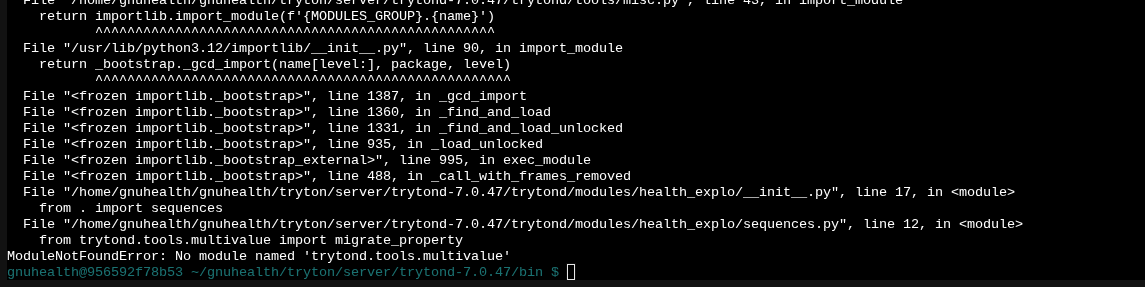
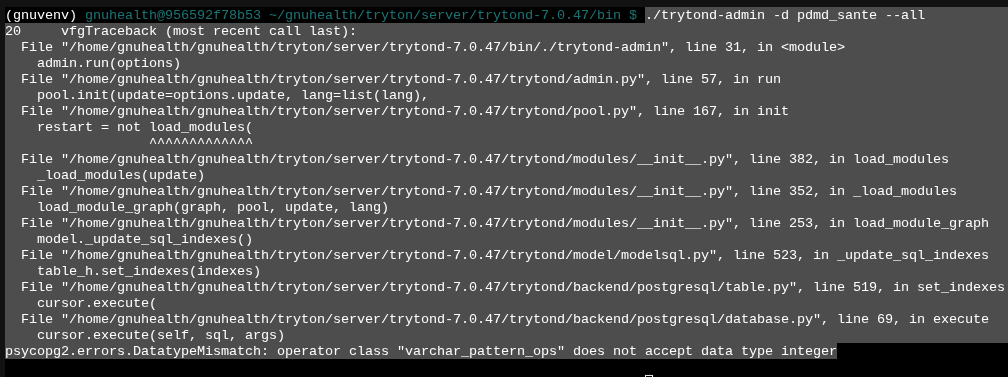
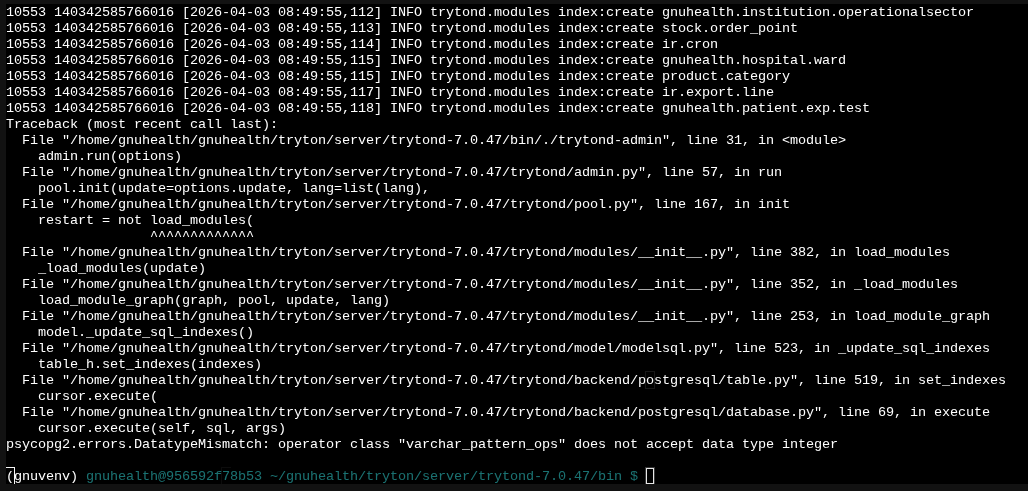
C’est un module personnalisé que j’ai crée
Voici sa définition
class GnuHealthPatientExpTest(ModelSQL, ModelView):
    'Exp Test Request'
    __name__ = 'gnuhealth.patient.exp.test'

    name = fields.Many2One(
        'gnuhealth.exp.test_type', 'Test Type',
        required=True )
    date = fields.DateTime('Date' )
    state = fields.Selection([
        ('draft', 'Draft'),
        ('tested', 'Tested'),
        ('ordered', 'Ordered'),
        ('cancel', 'Cancel'),
        ], 'State', readonly=True )
    source_type = fields.Selection([
        ('patient', 'Patient'),
        ('other_source', 'Other')
        ], 'Source',
        help='Sample source type.',
        sort=False )
    patient_id = fields.Many2One(
        'gnuhealth.patient', 'Patient',
        states={'invisible': (Eval('source_type') != 'patient')})
    other_source = fields.Char('Other',
        states={'invisible': (Eval('source_type') != 'other_source')},
        help="Other sample source.")
    source_name = fields.Function(
        fields.Text('Source name'), 'get_source_name')

    def get_source_name(self, name):
        if self.is_patient():
            return self.patient_id and self.patient_id.rec_name or ''
        else:
            return (self.other_source or '')

    doctor_id = fields.Many2One(
        'gnuhealth.healthprofessional', 'Health prof.',
        help="Health professional who requests the exp test." )
    context = fields.Many2One(
        'gnuhealth.pathology', 'Context',
        help="Health context for this order. It can be a suspected or"
             " existing health condition, a regular health checkup, ...",)
    request = fields.Integer('Order', readonly=True)
    urgent = fields.Boolean('Urgent')

    @classmethod
    def __setup__(cls):
        super(GnuHealthPatientExpTest, cls).__setup__()
        cls._order.insert(0, ('date', 'DESC'))
        cls._order.insert(1, ('request', 'DESC'))
        cls._order.insert(2, ('name', 'ASC'))

    @staticmethod
    def default_date():
        return datetime.now()

    @staticmethod
    def default_source_type():
        return 'patient'

    @staticmethod
    def default_state():
        return 'draft'

    @staticmethod
    def default_doctor_id():
        return get_health_professional()


    @classmethod
    def contact(self, id):

        transaction = Transaction()
        cursor = transaction.connection.cursor()
        #cursor = conn2.cursor()
        f = cursor.execute("SELECT current_database()")
        database_name = cursor.fetchone()[0]
        #sql = "SELECT type, value FROM party_contact_mechanism JOIN party_party ON party_contact_mechanism.party = party_party.id JOIN gnuhealth_patient ON {} = gnuhealth_patient.id".format(id)
        sql1 = "SELECT name FROM gnuhealth_patient where gnuhealth_patient.id = {}".format(id)
        cursor.execute(sql1)
        data1 = cursor.fetchone()
        sql2 = "SELECT type, value FROM party_contact_mechanism WHERE party = {}".format(data1[0])
        cursor.execute(sql2)
        data2 = cursor.fetchall()
        #print("Les différentes données ", data2[0][0])

        list_phone = []
        for item in data2 :
            if item[0] == "phone" :
                list_phone.append(item[1])

        return ("/ ".join(list_phone))


    @classmethod
    def generate_code(cls, **pattern):
        Config = Pool().get('gnuhealth.sequences')
        pool = Pool()
        ExpTest = pool.get("gnuhealth.patient.exp.test")
        records = ExpTest.search([], order=[('id', 'DESC')], limit=1)
        request = records[0].id + 1 if records else None
        config = Config(1)
        sequence = config.get_multivalue(
            'exp_request_sequence', **pattern)
        if request:
            return request
        else :
            return 1

    @classmethod
    def create(cls, vlist):
        vlist = [x.copy() for x in vlist]
        for values in vlist:
            values["request"] = cls.generate_code()
            if not values.get('name'):
                values['name'] = cls.generate_code()

        return super(GnuHealthPatientExpTest, cls).create(vlist)

    @classmethod
    def copy(cls, tests, default=None):
        if default is None:
            default = {}
        default = default.copy()
        default['request'] = None
        default['date'] = cls.default_date()
        return super(GnuHealthPatientExpTest, cls).copy(
            tests, default=default)

    def is_patient(self):
        return (self.source_type == 'patient')

    def is_other_source(self):
        return (self.source_type == 'other_source')